
English
English Writing
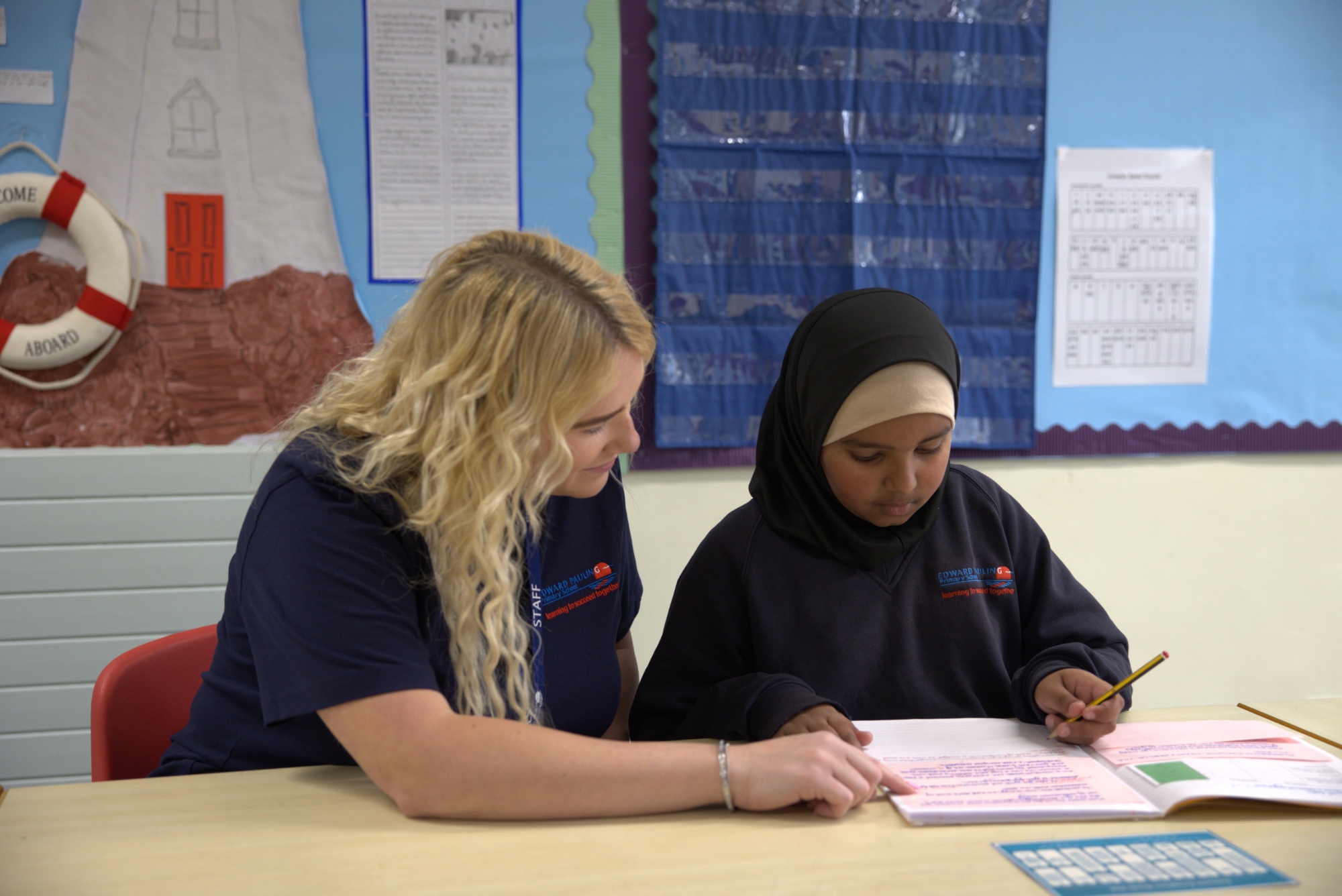
At Edward Pauling, our pupils will develop a love of writing through engaging, high-quality texts and inspiring experiences. They will build a rich and ambitious vocabulary, learning how language can be used effectively to express ideas, thoughts and feelings.
Our writing curriculum is carefully mapped to ensure that pupils experience a cohesive and extensive learning journey throughout their time at Edward Pauling. Each year builds purposefully on prior knowledge, with clear progression in grammar, punctuation, sentence structure, vocabulary and the features of different text types, enabling pupils to develop their knowledge, skills and independence as writers.
Pupils will write for a range of purposes and audiences, including to entertain, inform, persuade, explain and discuss, while developing a secure understanding of grammar, punctuation and sentence structure. They will explore a wide range of genres and learn how to use their features effectively, making deliberate choices to engage their reader. Throughout their learning, pupils will be taught to plan, draft, revise and edit their writing, reflecting on their work and making improvements. By reading widely and being inspired by a range of authors, our pupils will develop their imagination, creativity and confidence, becoming independent, purposeful writers who take pride in their work and communicate their ideas clearly and effectively.
English Reading
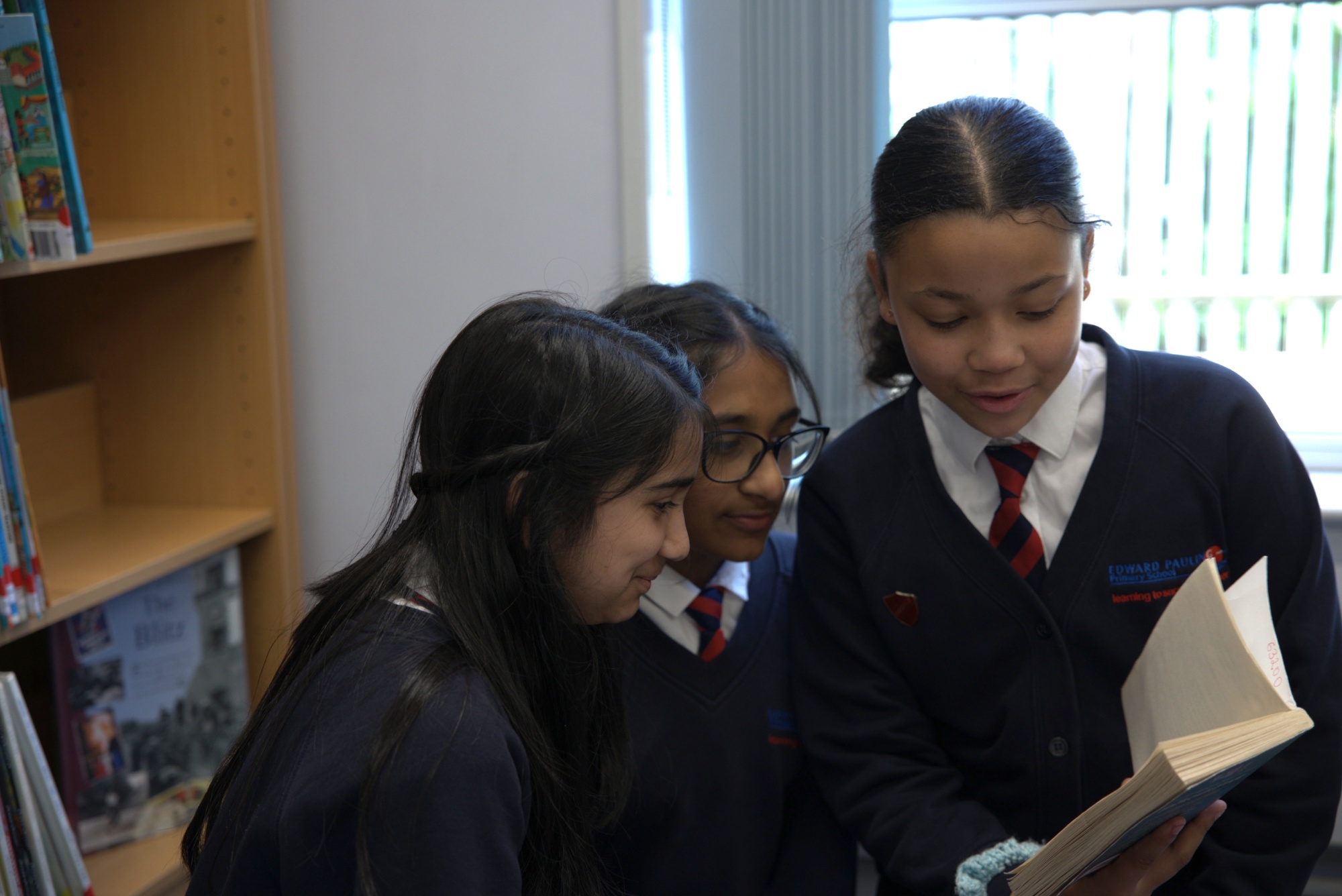
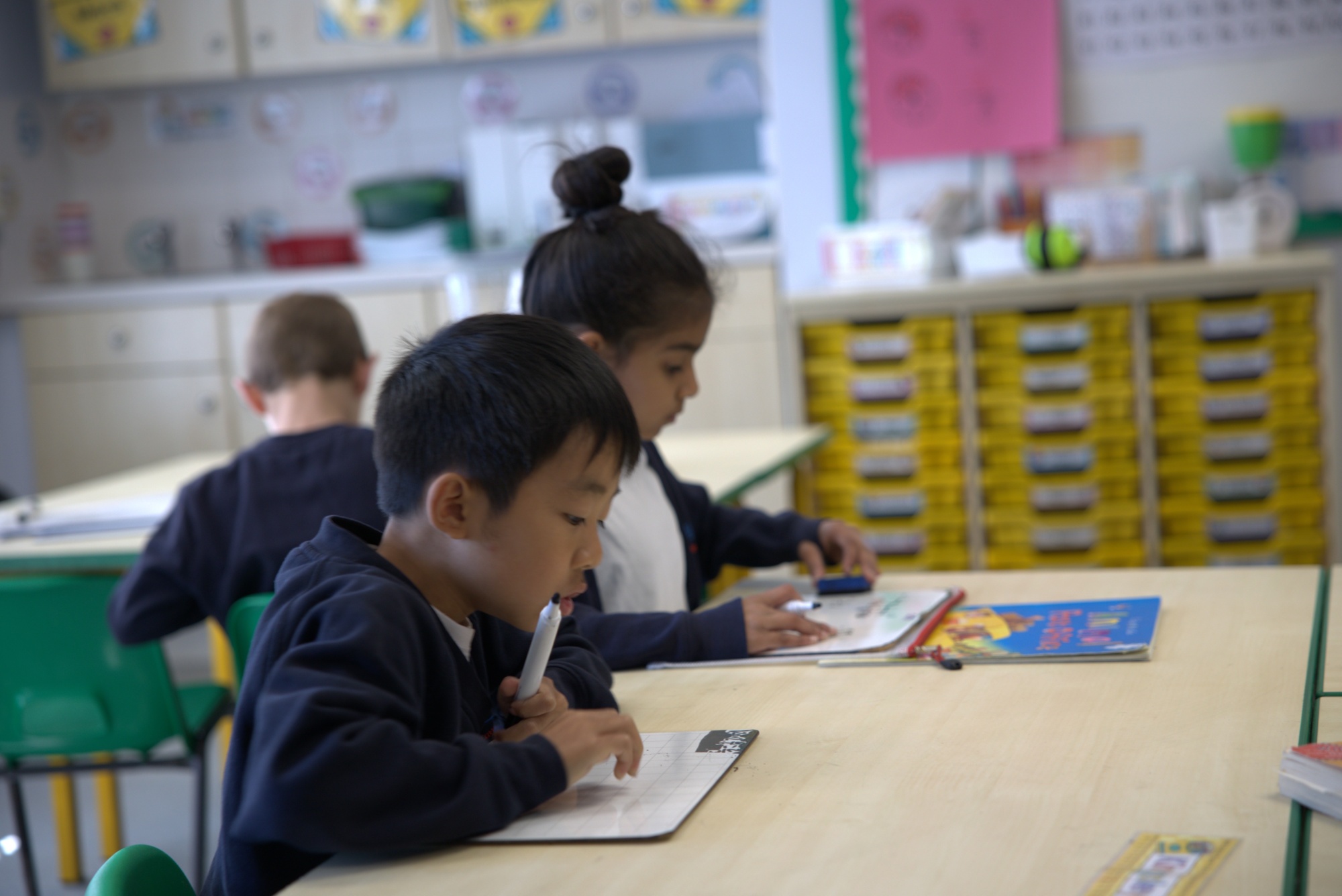
At Edward Pauling, our pupils develop a lifelong love of reading, becoming confident, fluent and enthusiastic readers who read for practice, meaning and pleasure. Through a carefully sequenced curriculum, children build on prior knowledge and develop the phonics, comprehension, vocabulary and language skills needed to access learning across the curriculum. Our pupils develop strong phonics knowledge and the skills to become confident, fluent and independent readers. Through daily, systematic Read Write Inc. teaching, children develop phonemic awareness, learn to blend and decode, and practise using high-quality books matched to their phonics knowledge. Regular assessment, targeted intervention and carefully sequenced teaching ensure that children keep up rather than catch up, building the fluency, confidence and foundations needed for lifelong reading.
Our pupils experience a rich range of high-quality fiction, non-fiction and poetry, while explicitly developing eight key reading strategies: making connections, forming predictions, visualisation, determining importance, monitoring comprehension, fix-it strategies, inference and synthesis. These strategies are taught through dedicated reading sessions, as well as English and wider curriculum learning, with regular teacher modelling and opportunities for pupils to apply them independently.
Reading is embedded across the curriculum, with vocabulary taught explicitly and in context. Children are encouraged to read widely, think deeply, discuss ideas and respond creatively, developing the confidence, curiosity and independence to become lifelong readers.